

Parasocial on the paddock: can you humanize millionaire F1 drivers?
F1’s grid is full of wildly privileged workers in a brutal machine. Here’s how to care about them as humans without turning into their PR team — or pretending their pain doesn’t count.

On my laptop, two headlines sit in neighboring tabs. One is a rumor post about a driver’s salary — eight figures, big bold font, comments full of “must be nice” and “I’d do that job for free.” The other is an interview where the same driver talks about struggling with depression in his rookie season, wondering if he belonged in F1 at all.
Both things are true at once. He is unimaginably well-paid, to the point that living lavishly is his baseline. He has also, by his own account, sat in a dark room wondering if he could handle the pressure of the life around that money.
Scrolling a little further, I come across an article on Lewis Hamilton, where he describes how, in 2020, “everything [he’d] suppressed came up” — years of racism, scrutiny, and being the only Black driver in a sport that only wanted part of him. And, as I fully expected, a comment section full of: “Cry me a river, you’re rich! Next topic.”
There’s a brilliant and blinding split-screen we live in as F1 fans of millionaire workers in a brutal machine. We are told to either:
roll them in bubble wrap because “they’re only human,” or
dismiss every crack in their armor because “they chose this and get paid enough.”
Neither extreme is quite satisfying. Both flatten something important. So this week, I want to sit in the middle and stay there.
Can you humanize millionaire F1 drivers without becoming unpaid PR? And, just as importantly, can you criticize them without pretending money erases pain?
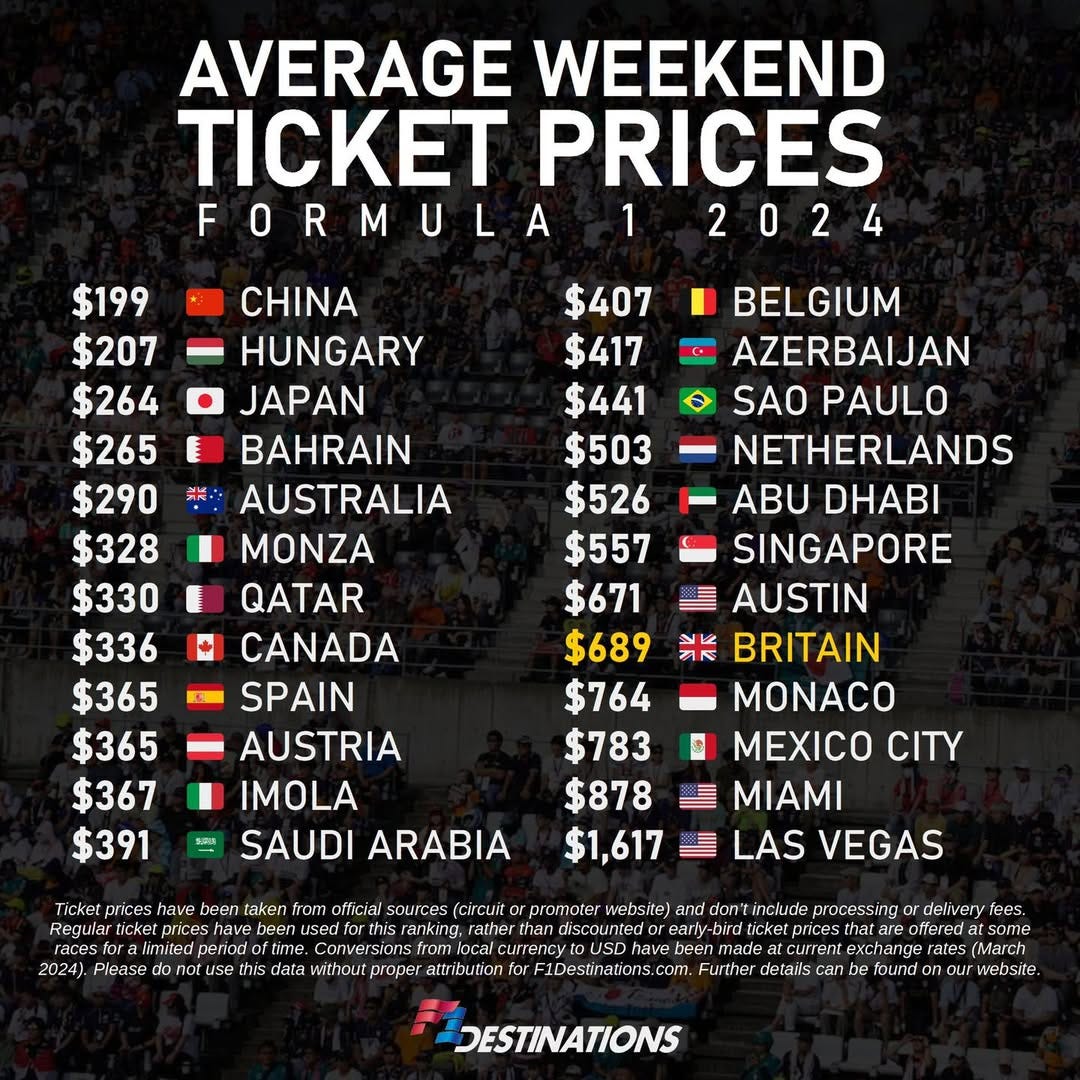
Let’s FaceTime about what it means to care about people who will never stress about GP ticket prices the way you and I might — but are still, inconveniently, human.
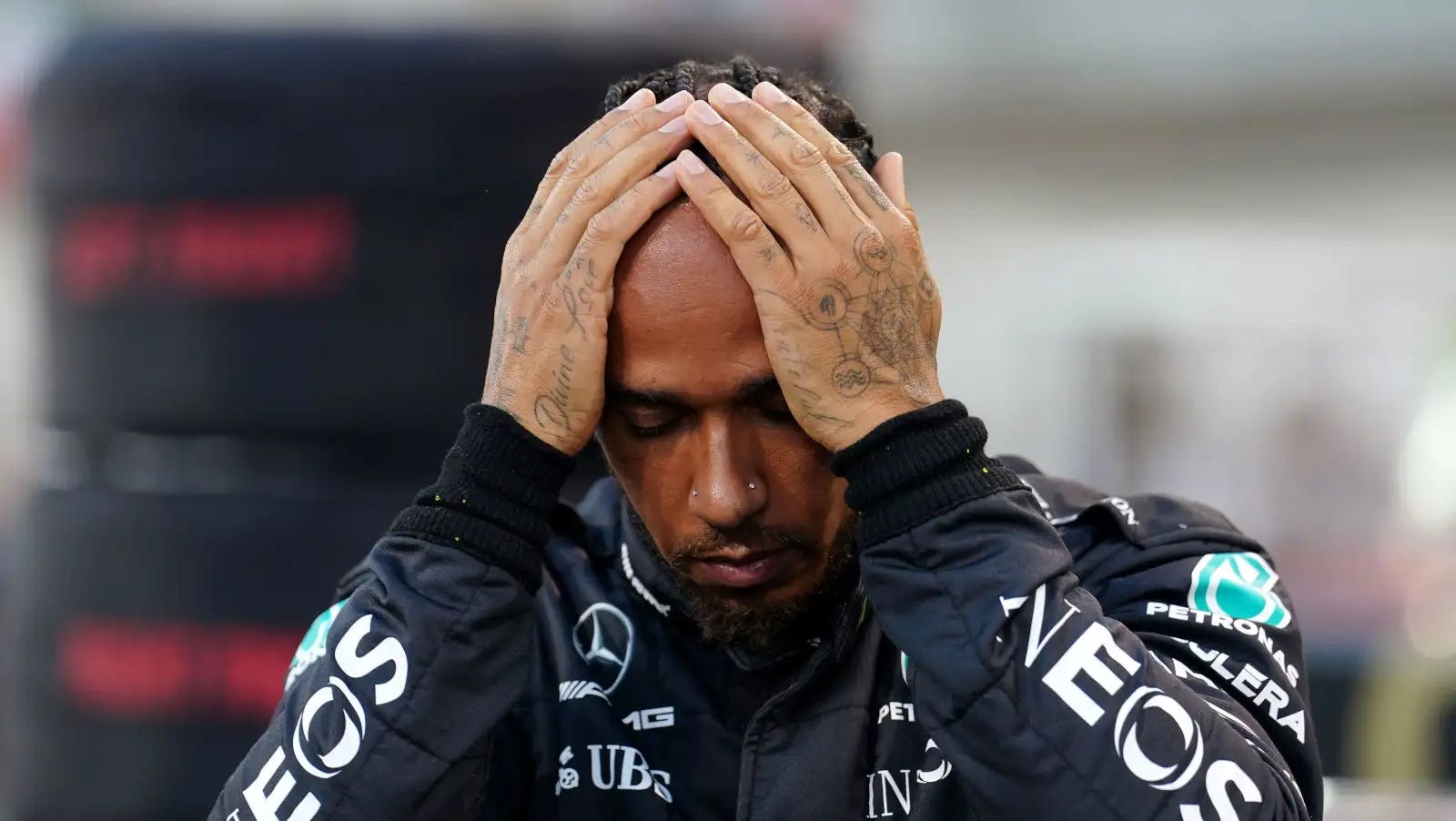
Why we end up centering drivers at all
It’s safe to say that a majority of new fans do not fall in love with this sport because of a balance sheet. Rather, they remember the first time a camera stayed on someone’s face a beat too long, a visor being lifted after a quali lap, or a radio message that sounded more like a confession than a race update.
Last week on FaceTime, I took to the Race Week Cinema column to write about all of those feelings from the fan side. In summary, the piece itself unpacks how it can feel less like you picked your driver and more like they picked you, almost by ambush. Still, as it goes with being a journalist, my brain wanted to stay with the other half of that idea, and not let it go until I had drawn a string around every facet of what it means to attach yourself to someone whose life looks nothing like yours.
Because the truth is, there are dozens of reasons a driver might snag your attention first. It could be that they remind you of a book character, or an ex, or the kid you used to be. Maybe you heard one scrap of backstory that made everything they do feel heavier, or maybe they’re just really, really good at looking like the main character on a bad day.
None of that is embarrassing. It’s how narrative brains work. We are built to track people, not paint schemes. From the sport’s perspective, that is absolutely intentional. All the branding and radio packages and glossy sit-down interviews exist to do one job: make you care about specific humans so deeply that you reorganize your weekend around whether those humans finish P3 or P13.
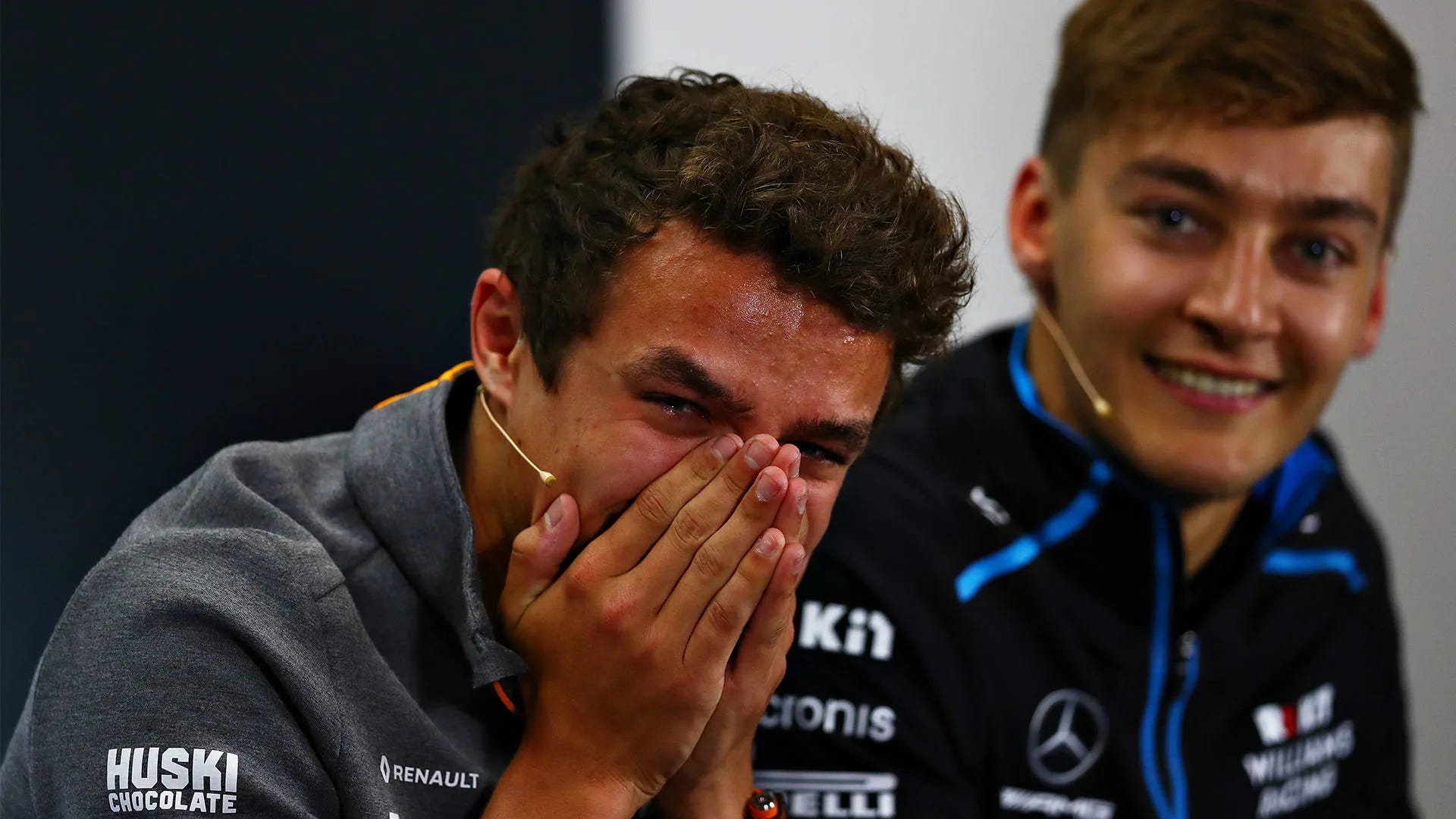
You don’t need to know what 50 kilos of fuel feels like or how a steering wheel menu works to recognize a look of panic, or pride, or utter devastation. That’s the click. But the tension (and the whole reason for this piece) is what happens after that click, when you realize the person you recognize pieces of yourself in also lives in a tax bracket and a travel pattern you will never see.
You’re answering a very human instinct with very real money and time.
They’re answering it from inside a life that is both brutal and wildly cushioned.
So, how do we keep that very real human connection without pretending the power gap doesn’t exist? And how do we talk honestly about the gap without acting like the connection was fake all along?
Money, access, and the 22-seat club
Let’s be blunt: F1 drivers are among the most privileged workers on the planet.
Most of them grew up with serious financial backing. Talent matters, but so do rich parents, sponsors, and entire karting programs that cost more than some people’s mortgages. By the time they hit F1, they already live in Monaco, fly private, and have entire departments dedicated to their fitness, travel, and image.
As of this year, there are only 22 seats on the grid, up from the usual 20. The barrier to entry is so high that people age out of the ladder series before they can afford the next step. When drivers argue against a salary cap, they lean into this scarcity and argue that, because they have such dangerous careers, they shouldn’t be capped when everyone else is making more money. In fact, Max Verstappen has said exactly that, calling a potential driver cap “completely wrong” because drivers “actually bring the show and put their lives at risk.”
And while he’s not wrong about the risk, he’s also speaking from a place of enormous security.
For most fans, the numbers involved are almost abstract. It’s hard to wrap your head around the difference between €5m and €30m ($6 million and $35 million USD) when both numbers would change your life forever. The gap that’s easier to feel is this:
They will never wonder if they can afford a race ticket.
They will never be denied a visa because their passport is “weak.”
They have employers who fly them around the world, not a flight alerts folder and a calculator open when they open a ticket site.
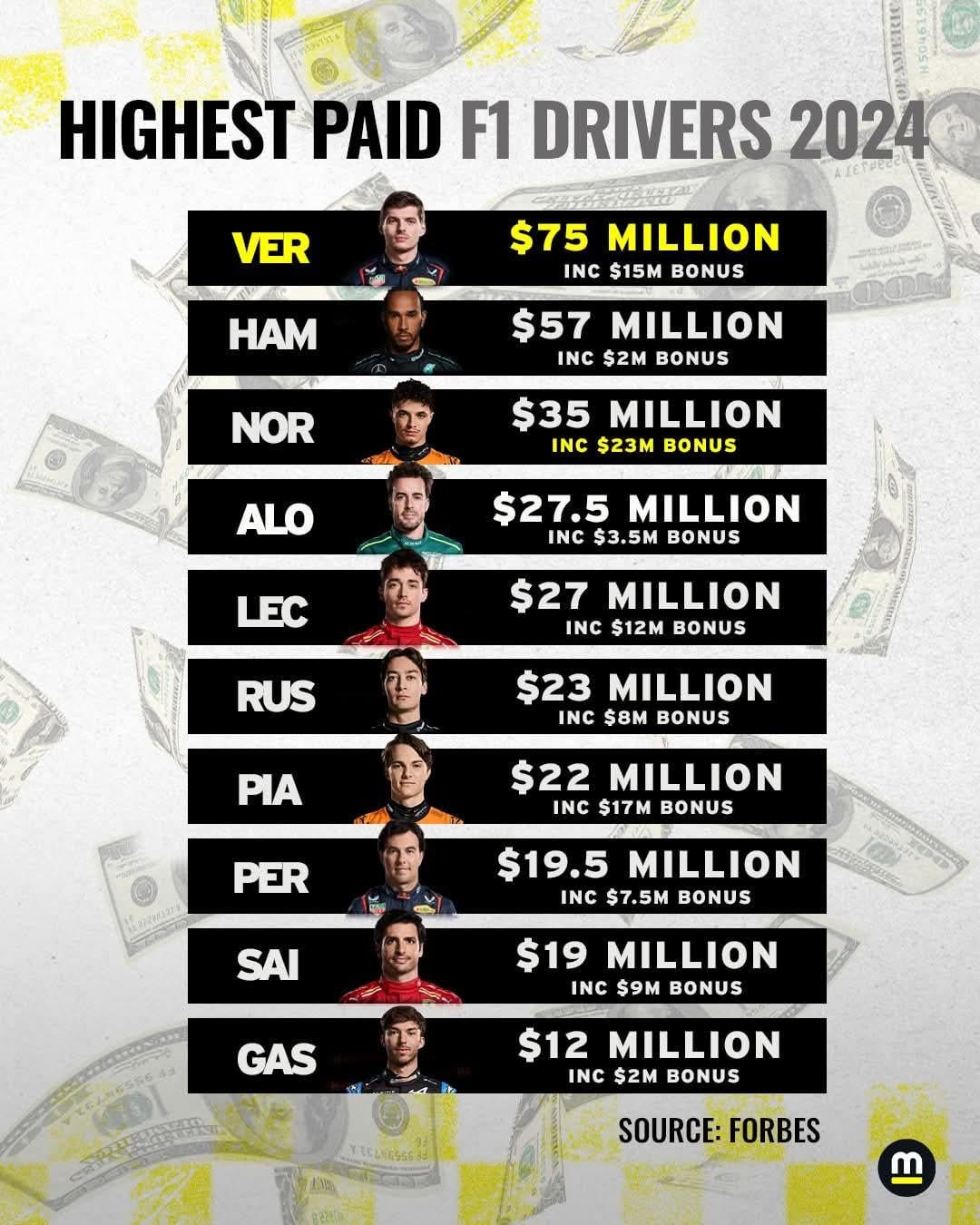
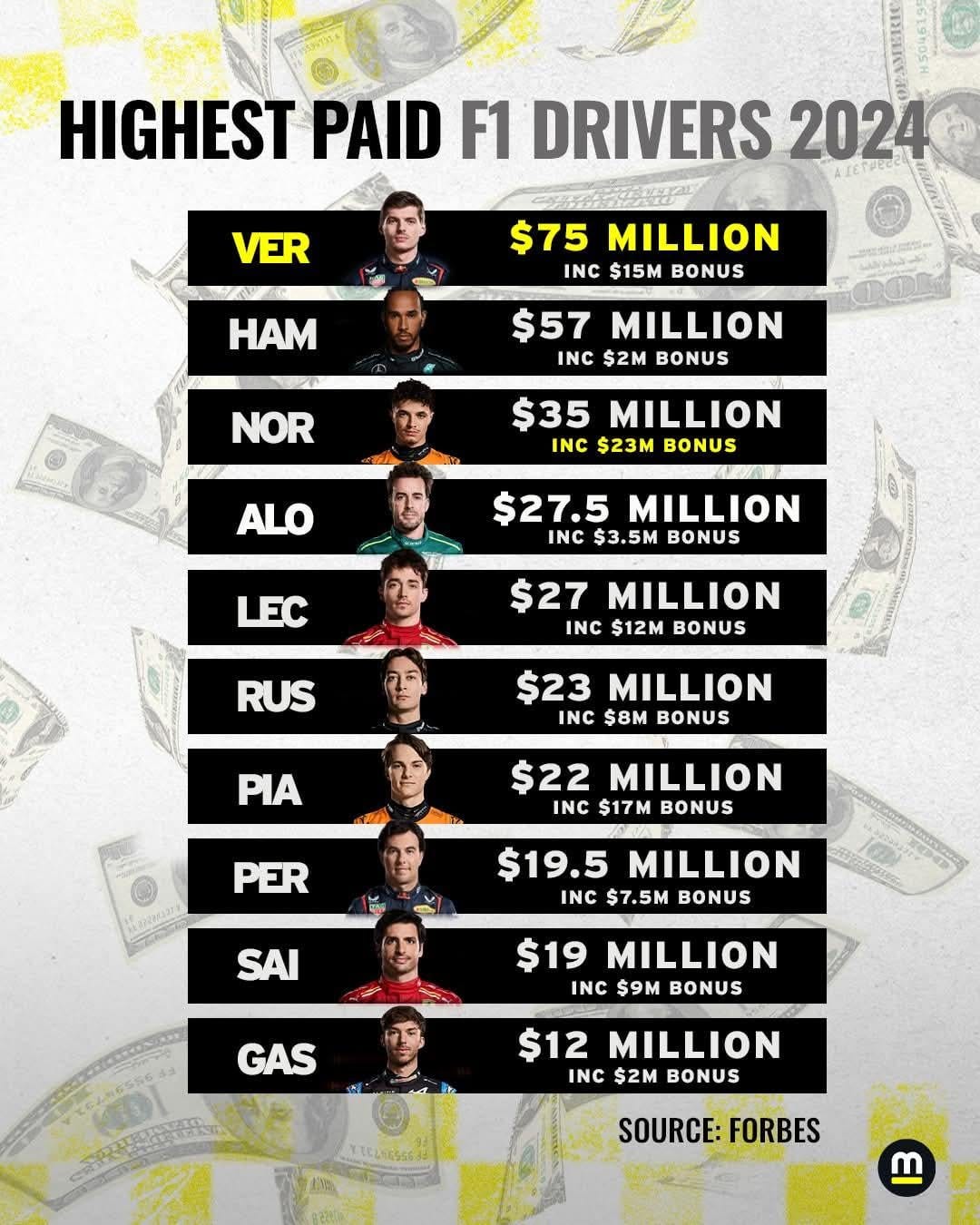
The highest-paid drivers from the 2024 grid (Source: Forbes).
These are all things that fans have spoken about experiencing in the past: emptying their bank accounts just to be able to attend only one day of a three-day race weekend, booking hotels near the circuit only to watch from the window, or even feeling like getting to travel to a Grand Prix will never happen for them at all. That imbalance is real. It colors everything.
So, when we talk about “humanizing” drivers, it still has to live alongside the fact that they occupy the cushiest rung on F1’s very steep privilege ladder. There are truck drivers, hospitality staff, junior series hopefuls, and local workers whose lives are more precarious and far less visible.
If empathy only ever flows upwards, it isn’t doing what you think.
Schedule, scrutiny, and the risk that never goes away
At the same time, becoming and being a driver does not typically happen in Jann Mardenborough fashion. It certainly is more than “getting paid to drive in circles” or “playing a video game that has better graphics and a pension”. The job is physically and emotionally brutal in ways money only partially solves.
The calendar that eats your life
F1’s calendar has swollen to a record 24 races. That’s 24 long-haul trips, 24 weekends of jet lag and press conferences and sponsor days, with triple-headers squeezing races into back-to-back-to-back weeks. Triple world champion Max Verstappen has been saying for years that the schedule is “way over the limit,” calling a 24-race season “not sustainable” and an “imposition on everyone who is part of the paddock.”
Other drivers, Fernando Alonso among them, have echoed the concern, only to be met with pushback from CEO Stefano Domenicali, who framed his response around the fans, saying that they are the ones who want to see racing, and that “24 is better than 12”.
It’s worth noting that the travel load also exhausts mechanics, engineers, media staff, and families — not just the person behind the wheel.
These aren’t people popping over to Monaco on weekends. They’re on the road for more than 30 weeks a year, constantly shifting time zones, permanently half-packed.
The taboo around mental health finally cracking
For a long time, mental health in F1 was treated like a weakness you could not afford to show. That’s slowly changing:
Lando Norris has talked openly about struggling with confidence and periods of depression early in his F1 career, explaining how he “found it very tough” to deal with the pressure and online scrutiny, and how speaking about it publicly helped both him and fans watching.
Articles and interviews now describe how mental health within F1 was once seen as professionally risky in such a macho environment, and how that is no longer the case.
Mercedes team principal Toto Wolff has said that despite making millions, he’s spent “more than 500 hours” in therapy and that money did not magically fix his mental health.
These are not sob stories meant to make you pity rich people. They are reminders that the emotional and psychological load of being in such a high-stakes sport doesn’t disappear when your bank balance hits a certain number.
The risk is lower than in the 70s, but not zero
Modern F1 is much safer than the decades when death was a regular feature of the calendar, but the risk isn’t gone. Drivers still strap into cars that can hit 300kph, navigate street circuits with concrete walls meters away, and deal with mechanical failures or freak accidents.
When Verstappen and others argue that salary caps don’t make sense in a sport where drivers “put their lives at risk,” they’re not inventing drama. But, they’re not mentioning the marshals, medical crews, and junior drivers exposed to similar risks for far less reward.
That tension between genuine danger and unequal compensation is part of what makes these conversations so sticky. And it’s why black-and-white takes — total contempt on one side, total defense on the other — feel so unsatisfying. feel so unsatisfying.
Where empathy goes wrong: humanizing vs laundering
“Humanize” the drivers sounds wholesome (who doesn’t want more compassion?). The phrase gets slippery, though, when it’s used as a shield instead of a lens. You see it when a driver or a team principal says something ignorantly, and the immediate response is “he didn’t mean it, he’s under pressure!”
The fact that these drivers benefit from a system that allows harm to junior drivers, local communities, women, and other marginalized groups can be a tough pill to swallow — especially when any attempt to talk about that harm is met with “stop bullying my fave!” Teams constantly package a driver’s vulnerability into tidy content arcs without backing it up with any structural change.
Lewis Hamilton’s career is a case study here. He is, as of now, F1’s only Black driver. He is also the sport’s most successful driver overall. Hamilton has spoken at length about the racism he’s faced — from childhood bullying, to fans in blackface, and online abuse that forced the FIA and F1 to issue statements. As mentioned earlier, in 2021, he told The Guardian that he “had to speak out” even if the sport didn’t really want him to.
“I’d be in Newcastle, and people would shout, ‘Go back to your country,’” he’d said. “Or in Spain, in 2008, when people painted themselves black and put on wigs, and were really mocking my family. And I remember the sport not saying anything about it.”
Those are deeply human things: trauma, exhaustion, a sense of duty.
Responding with empathy means taking that seriously. It does not mean never interrogating his positions on other issues. It doesn’t mean you have to agree with every sponsor partnership or every political stance, and it certainly doesn’t mean other drivers, mechanics, or fans of color owe him silence if he missteps.
Humanizing someone doesn’t mean framing everything they do in the kindest possible light. It means treating them as a whole person whose choices exist in context — not as a flawless hero, and not as a pantomime villain.
If “he’s only human” becomes code for “I don’t want to think about the impact of what he did,” that’s not empathy. That’s brand loyalty dressed up as kindness.
Where cynicism goes wrong: “They’re rich, who cares?”
On the other side, you have the equal and opposite instinct: because drivers are rich, nothing bad that happens to them counts.
Norris talks about feeling lonely and anxious in his rookie season, and the replies are “you’re living in Monaco at 20, shut up.” Hamilton describes the cumulative impact of racism, and the response is “you’re a seven-time champion, stop playing the victim.” Verstappen and Alonso speak about burnout on a 24-race calendar and are met with “I would kill to be in your position.”
There’s a kernel of fairness inside that anger. It would be a lie to say that there isn’t when most people are dealing with stressors that money could fix: rent, healthcare, debt, unstable jobs. It’s infuriating to watch someone with generational wealth complain about problems you’d trade for in a second. But if we decide that wealth makes emotional or psychological pain illegitimate, we start treating people like machines the minute they cross a certain tax bracket.
Money transforms the stakes of certain problems, but it does not erase them. Toto Wolff would be the first to tell you that “crying in a Rolls-Royce” is still crying, and that therapy doesn’t stop being necessary just because your bank account changes.
You don’t have to feel bad for people to accept that they have nervous systems and brains like the rest of us. Recognizing that reality keeps you from building a worldview where empathy has an income ceiling.
And, grimly, if you believe rich people can’t really be hurt, it’s a short hop to believing they can’t really hurt others either, because you stop taking any of it seriously.
Parasocial literacy as a fandom skill
The word parasocial has become an insult online. The implication is “you care too much about someone who doesn’t know you exist.” To me, parasocial literacy is less about shaming the feeling and more about naming the structure.
If you follow a driver on every platform, know their dog’s name, understand their friendship group, and get unreasonably emotional about their contract situation…
Congratulations, you’re a normal fan!
The relationship is one-way by design. Still, some grounding rules are important to keep in mind:
What you’re seeing is edited. Even the Twitch streams, vlogs, and Netflix moments are curated. They can be honest and strategic at the same time.
Loyalty is not owed. Enjoying someone’s work does not sign you up to be their unpaid crisis-comms department. You are allowed to say, “I love him on track; I hate this stance,” and sit in the discomfort.
Parasocial literacy does not necessarily mean you have to care less. Rather, you should go about caring in a way that doesn’t require you to step on other people or betray your own values to stay in the club.
So, can you humanize millionaire F1 drivers?
This is where the design-thinking part of my brain kicks in. In finalizing my stance on this matter, I kept returning to a framework of four questions that are worth answering every time you find yourself on one end of the spectrum or the other.
Who has power in this situation?
In this specific moment, is the driver the vulnerable party (crash, grief, mental health), or are they the one exerting power (punching down at fans, endorsing something harmful, defending an inequitable system)?Where is the harm landing?
Is the consequence mostly reputational for a giant brand? Or is it falling on people with much less protection?What is the system doing around them?
Is team PR trying to sweep it under the rug? Is the FIA responding? Are media outlets repeating talking points uncritically? Who benefits if we stop asking questions?What response honors everyone’s humanity and not just the driver’s?
Will you be able to enjoy his driving without defending his comment? Or has your line been crossed and now you have to shift your emotional investment elsewhere?
If your reaction leaves space for the driver to be a person and keeps you honest about power and harm, you’re probably in the right zone.
My final verdict: you do not have to pretend Formula 1 drivers are ordinary to remember they are still people. But you also do not have to confuse understanding with absolution.
We owe it to our own humanity to let vulnerability land when it’s real. When a driver talks about depression, burnout, grief, fear, or trauma, we have to take that seriously. It’s not for us to screenshot and make fun of, or to weaponize in a fan war. All the same, it’s on our shoulders to keep our criticism aimed at actions and structures. “This comment was racist/sexist/harmful, here’s why” is different from “you’re worthless and deserve abuse.” One challenges behaviour. The other just spreads more harm.
Zooming out whenever possible will never steer you wrong. A driver complaining about being burnt out may seem like a trivial headline on the outside, but they are a still a worker inside the machine, and they are crying out for help about a system that is unsustainable for everyone. Remember: drivers are not the only humans in the story. Empathy that only runs up the hierarchy and never down — to mechanics, marshals, service workers, fans — is not empathy.
Most of all, give yourself permission to move on. You are allowed to pull back your emotional investment if someone’s behavior repeatedly clashes with your values, without turning it into a public trial every time. You don’t need to pretend your favourite driver is a perpetual victim to care about him, but you also don’t need to pretend he’s a cartoon villain to justify your anger when he screws up.
Why this matters for F1’s history books
At first glance, all of this can sound like etiquette, how to talk about famous people nicely on the internet. But underneath it is a bigger question: what kind of fandom are we building, and what kind of pressure are we applying to the sport?
If we only ever see drivers as fragile and in need of protection, we will never demand better systems, because asking for change will feel too mean. Yet, if we only ever see them as faceless rich guys, we’ll never hear the parts where they’re telling us something inside the machine is broken, whether that’s safety, schedule, or culture.
In F1, rules shape behavior, incentives shape culture, and access shapes who gets to stay. Drivers sit at the intersection of all three: walking billboards, hard workers, and symbols that our hearts attach to.
At its most basic form, any conversation we have about another person — whether it’s a friend or a stranger — will always fall into either us humanizing them or criticizing them. And in the context of F1, what we say about these drivers feeds back into what the sport thinks it can get away with.
So, the next time a clip of a driver crying, joking, apologizing, or doubling down drops into your feed, take a breath before you type. Ask where the power is, where the harm is, and who benefits from you looking away. And remember that “rich” and “human” aren’t opposite settings.
If you can hold all of that in your head for more than thirty seconds, you’re already doing something the sport itself struggles with:
You’re treating drivers like what they actually are.
Not gods, not mascots. Just workers in a strange, dangerous, exhilarating machine: human, flawed, and still fully accountable for what they do with the power they’ve got.
💌 Thanks for picking up my FaceTime! If this made you rethink how we talk about drivers, power, and empathy, I encourage you to sit with that feeling for a second. That’s the good discomfort.
If you’d like, you can subscribe to FaceTime for free so you don’t miss the next one, share this with the friend you debrief race weekends with, or send me a message — I want to hear from you!